The Best Sides to Serve With Jamaican Food
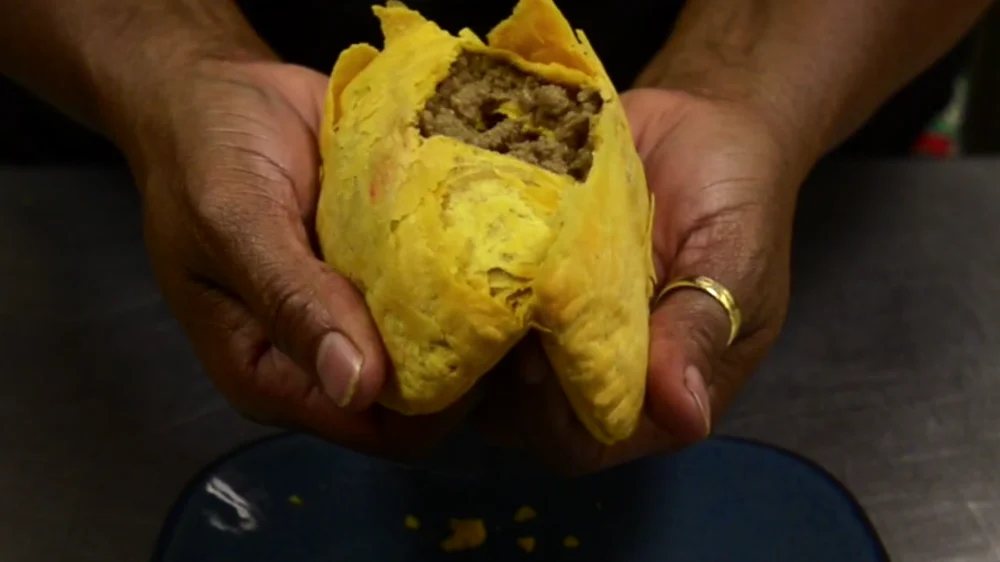
Jamaican food asks a lot from the plate around it. The main dishes tend to arrive with intensity, whether that comes from Scotch bonnet heat, allspice and thyme, deep browning from the grill, or the richness of coconut milk and slow-cooked meat. A side dish cannot be an afterthought. It has a job to do.
The best sides either steady the meal, sharpen it, or stretch it. Rice can calm a fiery jerk chicken. A tart slaw can wake up brown stew fish. Fried plantains can soften the edges of curry goat and make the whole plate feel generous. When people say a meal is balanced, this is usually what they mean without putting it into words.
That is especially true with jamaican food, where contrast matters. The cuisine is famous for bold seasoning, but the meals that stay with you are often the ones where something cool sits next to something hot, something starchy beside something saucy, something crisp against something tender. If you build the plate with that in mind, almost every classic main becomes easier to serve well.
What makes a side work with Jamaican cooking
A side dish for Jamaican cooking usually succeeds for one of three reasons. It cools spice, it absorbs sauce, or it brings freshness to a rich main. Some do two jobs at once. A good potato salad, for example, cools and softens. Rice and peas absorb gravy while adding their own flavor. Steamed cabbage freshens the plate and gives it a lighter feel without turning the meal into diet food.
The common mistake is choosing sides that compete with the main. A heavily seasoned mac and cheese next to jerk pork can feel like two people talking over each other. The same goes for sweet sides that push too far. Jamaican cooking often includes natural sweetness from caramelized onions, coconut milk, fried ripe plantain, or the subtle sweetness of pumpkin and sweet potato. If every element leans sweet, the meal starts to feel blunt.
There is also a practical side to this. Many Jamaican mains are cooked low and slow, marinated overnight, or finished over charcoal or pimento wood. The https://tysonbfqm160.clearminster.com/posts/a-deep-dive-into-the-most-iconic-jamaican-food-2 side dishes should make service easier, not harder. Rice can hold. Festival can be fried close to serving. Slaw improves after a short rest. A cucumber salad can be dressed at the last minute. Those details matter if you are cooking for a family table or feeding twenty people at a backyard gathering.
Rice and peas, still the standard for a reason
If you serve only one side with jamaican food, rice and peas is the safest and smartest choice. The name confuses some people at first because the peas are usually kidney beans or gungo peas, depending on the region and season. The appeal is not just tradition. It is function.
Rice and peas is aromatic, lightly creamy from coconut milk, and strong enough to hold up under gravy without stealing attention from the main. It fits jerk chicken, oxtail, curry goat, stew chicken, escovitch fish, and even roasted vegetables. Few side dishes can cover that much ground. On a practical level, it also feeds a crowd well and keeps its shape on the plate, which is more useful than it sounds when there is plenty of sauce involved.
What separates average rice and peas from memorable rice and peas is restraint. The rice should smell of thyme, scallion, and coconut, but it should not taste like a bowl of seasoned stock. The grains need to stay distinct. Mushy rice turns the plate heavy. I have found that the best versions leave just enough coconut flavor to round out spicy mains without coating the palate. With jerk meats, that slight richness works like insulation. With brown stew dishes, it acts more like a sponge.
If you are pairing for a dinner where guests may not know Jamaican flavors well, rice and peas gives them an easy point of entry. People understand rice. Once it is on the plate, the bolder flavors around it feel more accessible.
Plain rice deserves more respect
There are times when rice and peas is not the best answer. If the main is especially rich or strongly spiced, plain white rice can be the better move. Curry goat is a good example. A well-made curry goat has plenty going on already, warm spice, rendered fat, onion, garlic, ginger, and that distinctive savory depth from long cooking. Pairing it with coconut-rich rice can tip the meal into excess.
Plain rice gives the curry room. It catches the sauce without adding more weight. The same logic applies to pepper shrimp or heavily sauced brown stew dishes. When people call plain rice boring, they are usually imagining bad rice, not properly cooked rice. Well-steamed white rice is clean, light, and useful. On a plate of jamaican food, usefulness is not a small thing.
Fried plantains bring sweetness without turning childish
Ripe fried plantains are one of the most reliable sides in Caribbean cooking because they play so many roles at once. They add sweetness, yes, but they also add softness and a bit of caramelized edge. With jerk chicken, that sweetness cools the fire. With saltfish, it balances salinity. With curry, it gives a break between bites.
The key is doneness. Plantains should be ripe enough to show black on the skin, but not so far gone that they collapse into oily jam in the pan. The ideal slice gets browned at the edges and tender in the center. Too pale, and it tastes starchy. Too dark, and it can overwhelm the rest of the plate.
There is also a serving judgment here. Plantains are best when they support, not dominate. A few slices make the meal feel complete. A pile of them can push everything too sweet. This is one of those small calibration points that separates restaurant-style abundance from genuinely balanced cooking at home.
Festival, when you want the meal to feel celebratory
Festival is one of the great side dishes for jerk meats, especially outdoors, fresh from the grill. Slightly sweet, lightly crisp on the outside, soft within, festival works because it catches juices and provides contrast without trying to mimic bread exactly. It is not a dinner roll and not a fritter either. It sits in its own lane.
Served with jerk chicken or jerk pork, festival offers relief from smoke and heat. The sweetness is gentler than ripe plantain, and the texture is more substantial. That makes it particularly useful for plates built around dry-rubbed or grilled items rather than stewed dishes. You can drag a piece through any juices on the plate and pick up flavor without losing the structure.
At cookouts, festival often wins over guests who are new to Jamaican cooking because it feels familiar enough to approach easily, yet distinct enough to be memorable. It is one of those sides that quietly turns a plate of food into an occasion.
Steamed cabbage is the side that keeps the plate honest
A lot of home cooks focus on starch first and vegetables second, but steamed cabbage deserves to be much higher in the conversation. Done properly, it brings freshness, color, and a little snap to meals that might otherwise lean too rich. It also bridges dishes that do not naturally share the same profile. If one guest wants jerk chicken and another chooses fried fish, cabbage can sit comfortably beside both.
Jamaican steamed cabbage often includes carrot, onion, bell pepper, and thyme. The best versions are cooked just enough to soften, not enough to surrender. You want shine and tenderness, but still some life. Overcooked cabbage becomes watery and drab, which defeats the point.
I particularly like it beside oxtail. That combination works because oxtail is dense and gelatin-rich. Every few bites, the cabbage resets the palate. The same is true with curry chicken, where the cabbage can cut through the sauce and keep the meal from feeling sleepy. When people tell me they love Jamaican restaurant plates but find them heavy at home, adding steamed cabbage is often the easiest fix.
Callaloo, especially with fish and breakfast plates
Callaloo does not appear on every Jamaican plate, but when it fits, it really fits. Earthy, savory, and usually cooked with onion, tomato, scallion, and sometimes Scotch bonnet, callaloo works best when the main dish leaves room for its character. Saltfish and callaloo is the obvious classic. Fried fish with callaloo also makes sense, especially when you want a meal that feels substantial without being dominated by starch.
The beauty of callaloo is its depth. It tastes green, but not thin. It can stand beside assertive food while still contributing something of its own. For brunch or breakfast-for-dinner meals, it brings welcome balance to fried dumplings, boiled green banana, or ackee and saltfish. At dinner, I use it more selectively, usually when the main is straightforward enough to let the greens speak.
Slaw and fresh salads, the underrated answer to jerk
Not every side with Jamaican food needs to be traditional to work well. A crisp slaw, lightly dressed and not overly sweet, is one of the best companions for jerk chicken, jerk pork, or spicy grilled fish. This pairing makes sense the moment you eat it. Smoke, char, and pepper heat need something raw and cold nearby.
A good slaw for jerk should stay sharp. Too much mayonnaise blunts the effect. I prefer something with cabbage, carrot, perhaps a little scallion, and a dressing built on lime or vinegar with just enough oil to round it out. The point is contrast. Every cool bite gives you the appetite for another hot one.
Cucumber salad works in much the same way. So does a simple tomato salad if the tomatoes are actually worth serving. These are not flashy additions, but they are often the sides that make a second helping possible. They matter most in warm weather, when heavy starch on heavy protein can feel like too much by early afternoon.
Potato salad, especially for a casual spread
There is a reason potato salad appears so often at Caribbean gatherings. It is familiar, comforting, and effective with spiced meats. Next to jerk chicken or fried fish, it cools the plate and gives guests something substantial that does not require extra gravy or sauce to feel complete.
The best versions are balanced. Too much mustard can fight with the spices in the main dish. Too much sweetness can flatten everything else. The potato should still taste like potato. That sounds obvious, but it is easy to lose under heavy dressing. A little onion, some hard-boiled egg if you like, enough mayo to bind, and careful seasoning are usually enough.
Potato salad becomes particularly useful when serving mixed groups, where some guests want traditional pairings and others are looking for something more familiar. It acts as a bridge side, helping the whole spread feel relaxed rather than doctrinaire.
The boiled provisions plate, when you want depth and tradition
Boiled green bananas, yam, dumplings, and sweet potato do not always get highlighted in conversations about the best sides, but they deserve mention because they bring a different kind of satisfaction. These are not bright or flashy accompaniments. They are grounding. They make the meal feel rooted.
Boiled provisions pair especially well with saltfish, mackerel, rundown, and some hearty breakfast or brunch dishes. They can also work with stewed mains if you are leaning into a more traditional spread. The trade-off is that they make the meal heavier. That is not a flaw, just a decision. If you are serving curry goat for dinner in warm weather, boiled dumplings and yam may be too much. If you are serving ackee and saltfish late morning to people with time to linger, they can be exactly right.
This is where context matters more than any universal rule. Jamaican cooking is full of sides that evolved not only for flavor, but for fullness and practicality. Boiled provisions reflect that history clearly.
The pairings that consistently work
When people are planning a menu, they usually want a starting point more than a theory. These pairings are reliable because each side solves a specific problem on the plate.
- Jerk chicken with festival, slaw, or rice and peas
- Curry goat with plain rice or rice and peas, plus steamed cabbage
- Oxtail with rice and peas and a green vegetable, usually cabbage or callaloo
- Escovitch or fried fish with bammy, festival, or a fresh salad
- Ackee and saltfish with fried dumpling, boiled provisions, or callaloo
You can mix across those lines, of course. Food does not collapse because a side moved from one category to another. Still, if you need combinations that work without much guesswork, those are dependable.
Where bammy fits in
Bammy does not show up in every home kitchen, but with fish it can be outstanding. Made from cassava, usually soaked or moistened before frying or warming, bammy brings chew, mild sweetness, and enough sturdiness to stand up to escovitch dressing or fried fish. It is less fluffy than bread and less neutral than rice, which makes it an intentional pairing rather than a filler.
I would not serve bammy with every Jamaican main. It can feel too one-note with some stews, and it is not the first thing I reach for with curry. But beside fish, especially something acidic or spicy, it feels exactly right. That specificity is part of its charm.
A few rules that save the whole meal
When serving jamaican food, side dishes are easier to choose if you keep a few principles in mind.
- Match rich mains with fresh or simple sides
- Use starch to catch gravy, not to crowd the plate
- Let only one element carry pronounced sweetness
- Give spicy dishes something cool or mild nearby
- Keep at least one side lightly seasoned so the main still leads
Those choices sound small, but they change the experience of the meal. Jerk chicken with rice and peas is good. Jerk chicken with rice and peas, plus a crunchy slaw that has enough acidity, is a plate people remember.
Serving for a crowd versus serving at home
At home, you can tailor sides to a single main dish. If you are making curry shrimp on a weeknight, plain rice and steamed vegetables may be all you need. If you are serving oxtail on a Sunday, rice and peas plus cabbage makes sense and feels complete.
For a crowd, the calculus changes. You want sides that can sit a bit, scale without trouble, and please people with different tolerances for spice. Rice and peas becomes almost essential. Potato salad often earns its place. Slaw works because it stays fresh-looking and bright. Festival is wonderful, but only if you have the time and setup to fry in batches close to serving. Plantains can be tricky for large groups because timing affects them so much. They are still worth it, but they demand attention.
One thing I have learned from large Jamaican-style spreads is that guests tend to build their own balance if you give them the tools. Put one starchy side, one fresh side, and one vegetable option next to the mains, and the table often organizes itself.
The best side depends on the main, but balance wins every time
There is no single best answer to what to serve with Jamaican food because the mains are too varied for that. Jerk chicken needs different support than escovitch fish. Curry goat asks for a different kind of restraint than ackee and saltfish. The better question is what the main dish needs from the rest of the plate.
Sometimes the answer is rice and peas, still unmatched for versatility. Sometimes it is steamed cabbage, doing the quiet work of making a rich meal feel lighter. Sometimes it is festival at a cookout, or ripe plantains beside a spicy curry, or a crisp slaw that cuts through smoke and heat.
The strongest Jamaican meals are built on contrast and common sense. Give the plate starch where it needs grounding, freshness where it needs lift, and sweetness only where it earns its place. If you do that, the sides stop being secondary. They become part of what makes the meal feel complete.
Reggae Pot Jamaican Grill
2243 S Monaco St Pkwy #104
Denver, CO 80222
+1 720-410-2956
FAQ About jamaican food
What is the best Jamaican food to try in Denver?
The best choice depends on your tastes. Popular options include jerk chicken, curry goat, slow-cooked oxtail, and savory patties. Reggae Pot lists these dishes on its menu, with sides such as rice and peas and plantains. Ask the Denver team about current availability and spice levels.
Is Jamaican food very spicy in Denver?
Heat varies by dish and preparation. Jerk seasoning often includes scotch bonnet peppers alongside herbs and allspice, while other dishes may have gentler seasoning. Ask about the heat of the specific dish and any sauce before ordering.
What are some popular Jamaican snacks?
Jamaican patties are a popular snack made with flaky pastry and savory meat or vegetable fillings. Other options include fried dumplings and festival, a sweet fried dough often served with savory dishes. Availability varies, so check the current menu when ordering.
Ends · DONOVANBJMX225