How Caribbean Food in Denver Is Winning Over Food Lovers
Denver has never been shy about embracing bold food. This is a city that has built a serious appetite for regional Mexican cooking, ambitious farm-to-table restaurants, craft beer pairings, wood-fired pizza, and low-key spots that earn fierce loyalty one plate at a time. Against that backdrop, the rise of Caribbean food in Denver feels less like a passing trend and more like a natural next chapter in the city’s dining life.
What makes it interesting is that Caribbean cooking does not win people over through novelty alone. It wins because the food is deeply satisfying. It brings smoke, citrus, chile heat, sweetness, slow-cooked richness, fried textures, tropical starches, and layered spice in combinations that feel both comforting and exciting. One meal can move from peppery jerk chicken to creamy rice and peas, from a flaky beef patty to a bright caribbean food denver cabbage slaw, from plantains with caramelized edges to a stew that tastes like it has been tended all afternoon. For diners who think they have seen every version of “global flavor,” Caribbean cuisine often lands as a reminder that complexity does not need to be fussy.
That appeal matters in Denver, where people tend to reward restaurants that offer real personality on the plate. Caribbean food has plenty of that.
A cuisine with range, not a single flavor profile
One reason Caribbean food in Denver is gaining traction is that more diners are beginning to understand what the label actually covers. “Caribbean” is not one monolithic cuisine. It is a region shaped by African, Indigenous, European, Indian, Chinese, and Latin American influences, with each island and coastal community producing its own style, pantry, and signature dishes.
Jamaican food may be the most familiar entry point for many Denver diners, especially jerk chicken, oxtail, curry goat, coco bread, and patties. But even within Jamaican cooking, there is more variation than many people realize. Good jerk is not simply spicy grilled chicken. It is a method, a seasoning tradition, and a balance of allspice, thyme, scallion, Scotch bonnet pepper, smoke, and time. Oxtail is not just a rich braise. It is tenderness earned slowly, with gravy that carries the depth of bone, browning, aromatics, and careful reduction.
Then there are Trinidadian and Guyanese influences, where doubles, roti, curries, and chutneys create a different expression of Caribbean cooking, one that carries a visible South Asian thread. Puerto Rican, Cuban, Dominican, and Haitian cuisines add still more dimensions, from roast pork and mofongo to griot and pikliz. Diners who come in expecting one signature taste often leave realizing they have only scratched the surface.
That breadth helps Caribbean restaurants build repeat business. Customers may arrive for jerk wings because the dish feels familiar enough to order without hesitation. They come back because the menu keeps opening new doors.
Denver’s palate is ready for layered spice
Cities do not all adopt cuisines in the same way. Some need years of gentle introduction. Others are primed for flavors that might once have been considered niche. Denver, at this point, has a dining public that is comfortable with assertive seasoning.
That makes a real difference for Caribbean food. These are dishes that depend on depth rather than bland accessibility. Even the milder plates often carry layers of garlic, thyme, onion, ginger, black pepper, curry spice, allspice, bay leaf, vinegar, or fresh herbs. Heat can be present, but it is rarely there just to shock. It sharpens and wakes up the food.
Scotch bonnet peppers are a good example. Their fruitiness matters as much as their fire. When used well, they do not flatten a dish into pure heat. They add aroma, brightness, and a floral top note that lingers differently than the drier punch of other chiles. Diners who have spent the last decade exploring regional Thai, Indian, Ethiopian, Korean, and Mexican cooking in Denver tend to appreciate that distinction. They are not just chasing spice levels. They are looking for flavor architecture.
Caribbean cooking rewards that kind of eater.
Comfort food with swagger
For all its complexity, Caribbean food also does something very important in a practical dining city like Denver. It feeds people well. This is not precious food. Portions are often generous, starches are purposeful, and proteins are treated in ways that maximize tenderness and flavor. A plate of jerk chicken with rice and peas, cabbage, and plantains feels like a full meal in the truest sense. Oxtail with gravy and beans has the sort of richness people crave when the weather turns cold. Curry goat, if handled properly, offers both spice and slow-cooked warmth.
That comfort factor should not be underestimated, especially in a place where climate shapes appetite. Denver diners live with cold snaps, dry air, and long winters. They often want food that has soul and staying power. Caribbean cuisine, despite its tropical associations, fits that need beautifully. Stews, braises, fried snacks, rice dishes, and heavily seasoned meats do not feel seasonal in a restrictive way. They make sense year-round.
In summer, the same cuisine shifts naturally into another mode. Jerk off the grill, rum-forward marinades, fresh slaws, grilled fish, and citrusy sauces feel made for patios and warm evenings. Few cuisines pivot between hearty and vibrant as easily.
The dishes that tend to hook first-time diners
Every cuisine has gateway dishes, the plates that convert curiosity into loyalty. In Denver, jerk chicken is probably the strongest ambassador for Caribbean food. It is easy to understand, visually appealing, and immediately aromatic. When it is done right, the skin carries char and spice while the meat stays juicy. The best versions hit sweet, savory, smoky, herbal, and hot in the same bite. Diners remember that.
Beef patties do a different kind of work. They are portable, inexpensive, and caribbean food denver deeply snackable. A good patty, flaky and yellow with a well-seasoned filling, can turn a casual visitor into a regular. Coco bread alongside it adds a soft, slightly sweet contrast that people often did not know they wanted until they tried it.
Oxtail is another conversion dish, though usually for more adventurous diners or for those already comfortable with braised meats. The selling point is texture and gravy. Once someone has had a well-made oxtail dish, where the meat yields easily and the sauce soaks into rice without becoming greasy, it tends to reset expectations about what a restaurant “special” can be.
Plantains deserve their own mention. To many first-time customers, they seem like a side note. In practice, they often become part of the craving. Sweet fried plantains, with browned edges and a soft center, bring balance to spicy or savory mains. They help explain why Caribbean plates feel complete rather than assembled.
A stronger market for independent food businesses
Caribbean food’s growth in Denver also reflects a broader truth about the city. Diners here are willing to seek out independent restaurants and food businesses if the cooking is good enough. This is a city where people will drive across neighborhoods for a specific bowl of pho, a bakery item, or a breakfast burrito. Once a Caribbean spot earns trust, location becomes less of a barrier.
That pattern matters because Caribbean restaurants often start lean. They may begin as takeout counters, food trucks, family-run storefronts, or vendors building a customer base through pop-ups and catering before settling into a full-service model. Those formats work well when the food can travel, and much of Caribbean food can. Rice plates, patties, braised dishes, and grilled meats tend to hold up better in transit than more delicate cuisines.
Denver’s support for those kinds of businesses has created room for Caribbean operators to grow without needing a polished, high-budget concept from day one. In many cases, diners actually prefer places that feel rooted in family recipes and practical cooking rather than overdesigned branding. If the jerk is fragrant, the curry is balanced, and the portions are fair, people notice.
Social media helps, but the food has to back it up
It would be easy to credit social media for the rise of Caribbean food in Denver, and certainly it plays a role. Jerk platters look good in photos. Glazed wings, bright sauces, golden patties, and deep mahogany braises all perform well online. Food creators and local dining accounts help expose more people to these restaurants, especially customers who might not have grown up eating Caribbean food.
Still, attractive imagery can only go so far with a cuisine that depends on aroma, texture, and seasoning. One of the reasons Caribbean food keeps winning people over is that it tends to exceed the visual promise when done well. The smell of pimento smoke and spice opening a takeout box, the contrast between crisp patty shell and savory filling, the softness of properly cooked plantains, the gravy soaking into rice, these details are hard to fake.
Many restaurants rise quickly on social buzz and flatten just as fast when the product does not hold up. Caribbean places that last usually do so because they deliver consistency. Diners may forgive a simple dining room or a modest website. They will not keep returning for dry jerk chicken or underseasoned sides.
Denver’s diversity is showing up more clearly on the plate
The growth of Caribbean food also says something larger about where Denver’s food scene is headed. For years, local restaurant conversations were dominated by a familiar set of categories, often filtered through upscale trends. That has changed. More diners now actively seek cuisines that reflect migration, diaspora, and lived community rather than concepts designed mainly for broad appeal.
Caribbean food benefits from that shift because it carries clear cultural identity while still being inviting to outsiders. You do not need extensive background knowledge to enjoy a plate of curry chicken, rice, and cabbage. At the same time, people who know the cuisine well can immediately tell whether a restaurant is cooking with care and understanding.
That dual accessibility is powerful. It gives Caribbean restaurants room to serve both communities at once, people looking for a taste of home and people encountering these flavors seriously for the first time.
There is also a subtle but important distinction between representation and dilution. Food lovers in Denver are becoming more alert to authenticity, though that word can be oversimplified. Most experienced diners are not demanding rigid purity. They understand that immigrant and diaspora cuisines evolve. What they do want is integrity. They want seasoning that tastes intentional, not timid. They want side dishes that matter. They want menus that reflect actual traditions rather than a vague “island” theme built from stereotypes.
When Caribbean restaurants meet that standard, they tend to build durable reputations.
Why chefs and cooks respect the cuisine
Ask working cooks what impresses them about Caribbean food and many will mention balance. The best dishes are not one-note, even when they appear straightforward. Marinades must season deeply without overwhelming. Heat has to sit in proportion to sweetness and acid. Smoke should lift a dish, not bury it. Braised meats need patience, but they also need restraint so the gravy remains vivid rather than muddy.
There is technical demand hidden inside seemingly rustic food. Rice and peas sounds simple until it is bland, gummy, or oversalted. Fried plantains can be perfect one minute and collapsed the next. Curry dishes can go flat if the spice blend is stale or the aromatics are rushed. A patty crust that flakes beautifully requires attention to fat, dough handling, and bake time.
Food lovers often sense this craft even if they cannot describe it in kitchen terms. They understand when a plate has been cooked with confidence. Caribbean cuisine, at its best, gives off exactly that feeling.
The value equation is part of the appeal
Denver is not a cheap city to eat in anymore. Diners notice when prices climb faster than portion size or when a meal looks substantial but leaves them hungry an hour later. Caribbean food often performs well on value, even as costs rise for everyone.
Part of that comes from the structure of the plate. Rice, beans, vegetables, and starchy sides are not filler when they are cooked properly. They are essential components that contribute flavor and satisfaction. A container of oxtail with rice and peas may not be inexpensive, especially given the cost of that cut, but it usually feels like a serious meal. Patties, jerk chicken plates, curry dishes, and lunch specials can also hit a useful middle ground between fast-casual convenience and sit-down indulgence.
For families, that matters. For office workers, it matters. For anyone trying to justify dining out regularly, it matters. The best restaurant loyalty is not built on spectacle. It is built on the feeling that your money bought something real.
Pairings, drinks, and the full experience
Another reason Caribbean food in Denver is resonating is that it pairs well with how people like to eat socially. The cuisine lends itself to sharing, contrast, and casual conversation. One table might mix patties, wings, jerk pork, curry chicken, and sides so everyone gets a little of everything. That style suits groups and repeat visits.
Drinks help too. Even without leaning on clichés, Caribbean flavors naturally connect with beer, rum cocktails, ginger beverages, sorrel-style drinks, and tropical fruit profiles. Denver’s craft beer culture gives restaurants an easy bridge to local diners. Hoppy beers can clash with delicate food, but they often stand up just fine to spice, smoke, and sweet-savory marinades. Darker beers and lagers can work especially well with braises and fried foods.
The point is not that Caribbean food needs a beverage strategy to succeed. It is that the cuisine already has the kind of flavor personality that makes diners want to build a whole meal around it.
What newcomers should order first
For people curious about trying Caribbean food in Denver, the smartest move is usually to start with a mix of familiar and distinctive dishes. A plate of jerk chicken gives you a baseline for the seasoning style. A patty shows how much flavor can fit into a simple hand pie. Plantains and rice and peas reveal that sides are doing serious work. If the restaurant offers oxtail or curry goat and you are open to richer dishes, those are often where the kitchen’s depth really shows.
One practical note matters here. Heat levels vary widely, and so does the definition of “spicy.” At some places, jerk carries a gentle glow. At others, it has real force. Asking a quick question at the counter is never a bad idea. Good restaurants generally want customers to enjoy the meal, not endure it.
Timing also changes the experience. Freshness matters for fried items and grilled meats in particular. A beef patty straight from the warmer can be good. A beef patty that has just come out crisp and aromatic is something else entirely.
The road ahead for Caribbean food in Denver
The most promising sign is that Caribbean food in Denver no longer feels like a novelty category people mention once and forget. It is becoming part of the city’s regular dining vocabulary. That shift takes time. It happens when residents stop treating a cuisine as an occasional detour and start craving it on an ordinary Tuesday.
There is still room to grow. Denver could support more regional specificity, more bakeries, more lunch counters, more spots focused on seafood, roti, or weekend specialties that do not always fit streamlined menus. As familiarity increases, diners tend to become more adventurous. They move past the safest order and begin chasing the dish that a restaurant is known for, whether that is escovitch fish, curry shrimp, callaloo, or a house-made hot sauce with real personality.
That is usually the moment a cuisine truly settles into a city. Not when everyone has heard of it, but when enough people know what they like, argue about who does it best, and bring friends because they want to share the discovery.
Caribbean food is reaching that stage in Denver. It has the flavor, the comfort, the cultural depth, and the staying power to keep growing. More importantly, it gives people a reason to return that has nothing to do with trend cycles. The food satisfies a serious appetite. It tastes alive. And in a city full of diners who know when a meal delivers more than hype, that is exactly how you win them over.
Reggae Pot Jamaican Grill
2243 S Monaco St Pkwy, Suite 104
Denver, CO 80222
(720) 410-2956
FAQ About caribbean food denver
What is a typical Caribbean meal?
Caribbean cuisines vary by island. A Jamaican meal might pair jerk chicken or oxtail with sides such as rice and peas, cabbage, or fried plantains.
What is Jamaica’s national dish?
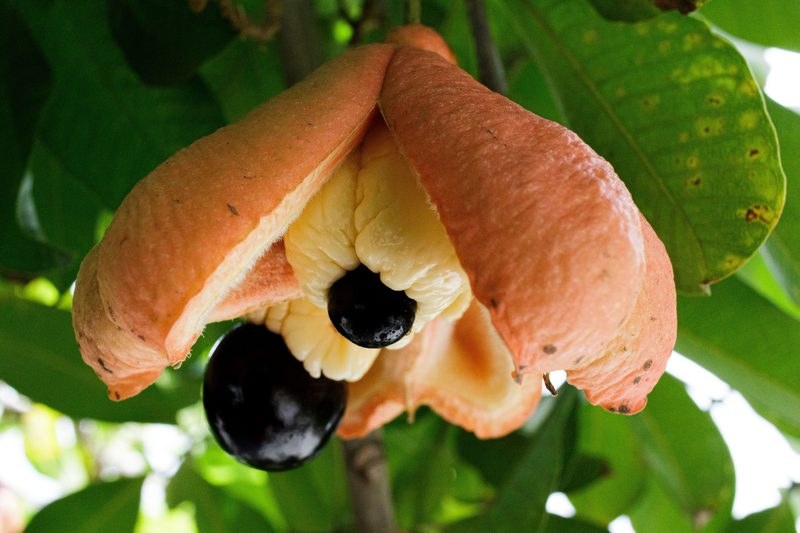
Ackee and saltfish is widely recognized as Jamaica’s national dish. Check the current menu for availability.
Is Caribbean jerk the same as Jamaican jerk?
Jerk is a Jamaican cooking tradition associated with seasoning and slow cooking or grilling. The exact heat level and preparation vary by cook.
Ends · DONOVANBJMX225